
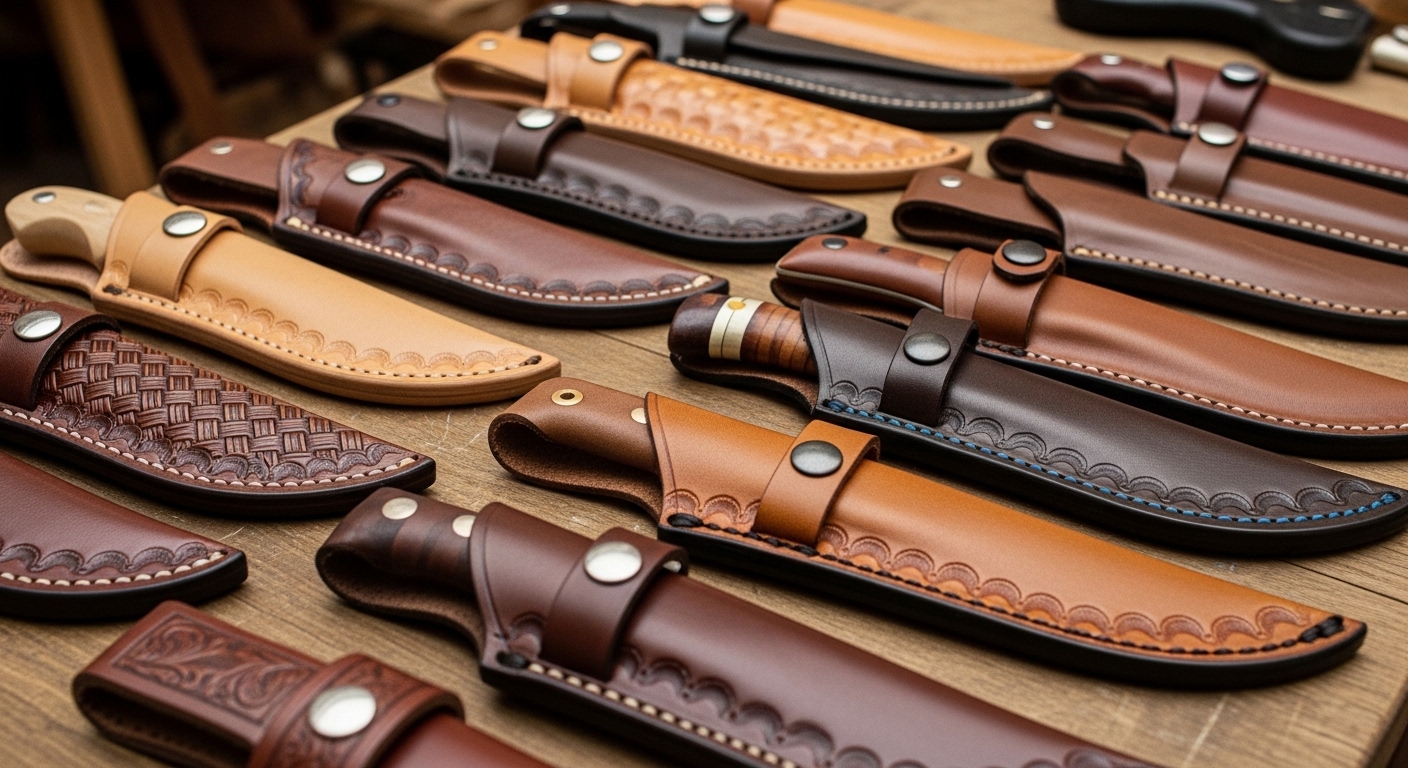
Finding the perfect knife with sheath is a bit like finding a reliable partner for your outdoor adventures. It doesn’t matter if you are a seasoned hunter, a weekend camper, or someone who just wants a dependable tool for the backyard; the way you carry your blade is just as important as the blade itself. A knife is only as good as its accessibility and safety, and that is where a high-quality sheath comes into play. In this guide, we are going to dive deep into everything you need to know. We’ll talk about materials, safety, maintenance, and even share some stories about why the right knife with sheath setup can quite literally save the day.
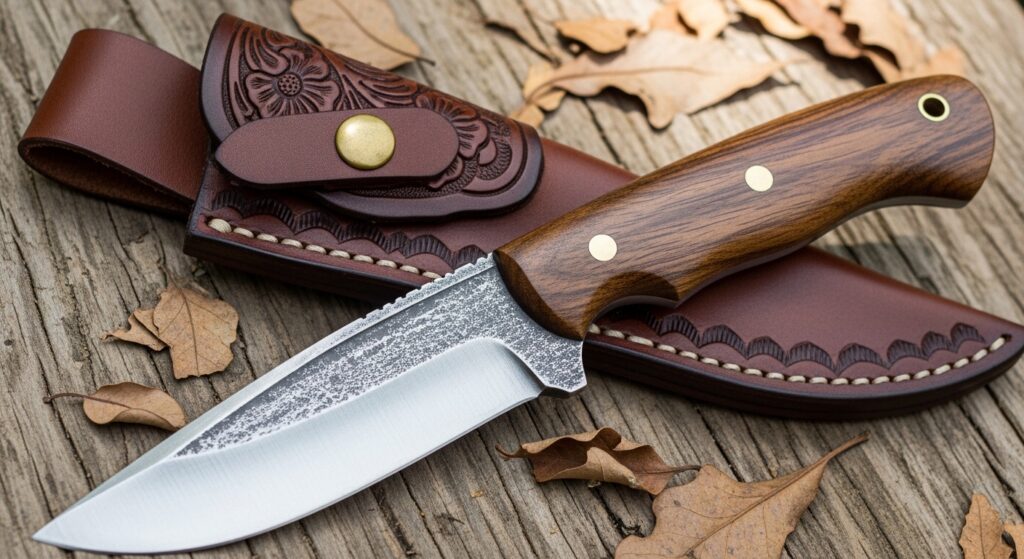
Why the Sheath is More Than Just a Cover
Many people focus all their energy on the steel. They want to know about hardness scales and edge retention. While that matters, the sheath is the interface between you and the tool. Without a proper sheath, a fixed-blade knife is just a dangerous piece of metal sitting in your pack. A great knife with sheath combo provides:
- Safety: It protects you from the edge and the edge from the elements.
- Retention: It ensures the knife stays put while you are climbing, running, or working.
- Deployment: It allows you to draw the tool quickly when you only have one hand free.
Understanding Different Sheath Materials
Before you click “buy” on a new knife with sheath, you need to understand what that “scabbard” is made of. Each material has a personality of its own.
1. The Classic Leather Sheath
There is something timeless about a leather sheath. It smells great, looks traditional, and develops a beautiful patina over time.
- Pros: Quiet, molds to the knife, very comfortable against the body.
- Cons: Can absorb moisture (which leads to rust), requires maintenance like leather conditioner.
2. Kydex and Thermoplastics
If you want something modern and tactical, a Kydex sheath is the gold standard. Kydex is a hard plastic that is heat-molded to the specific shape of the blade.
- Pros: Incredible “click” retention, waterproof, nearly indestructible.
- Cons: Can be noisy; can scratch the finish of the blade over time.
3. Nylon and Cordura
Often found with budget-friendly or military-style knives with sheaths, nylon is lightweight and versatile.
- Pros: Often features MOLLE compatibility, very affordable.
- Cons: Less “form-fitting” than leather or Kydex.
The Anatomy of a High-Quality Blade
When you are looking for a knife with sheath, the knife itself usually falls into the “fixed blade” category. Unlike folding knives, fixed blades are one solid piece of steel. This makes them significantly stronger for heavy tasks like splitting wood or processing game.
The Tang Matters
You will often hear experts talk about a “full tang.” This means the steel of the blade runs all the way through the handle. If you are buying a knife with sheath for survival or heavy-duty work, full tang is non-negotiable. It prevents the knife from snapping at the handle under pressure.
An Anecdote: The Importance of Retention
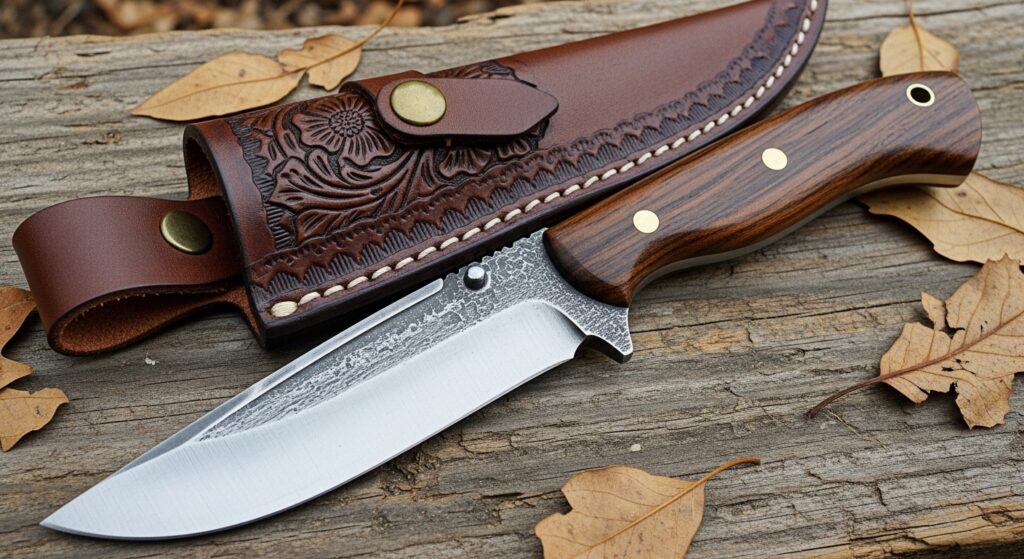
A few years ago, a friend of mine was hiking through a particularly dense thicket in the Pacific Northwest. He had a beautiful, expensive knife with sheath hanging from his belt. The sheath was a loose-fitting leather pouch style. Halfway through the trek, he realized the knife was gone. It had snagged on a branch and slid right out of the sheath without him noticing. He spent three hours retracing his steps. He eventually found it, but the lesson was clear: Retention is everything. Whether it’s a thumb snap, a friction fit, or a paracord wrap, make sure your knife with sheath stays together until you decide to separate them.
Step-by-Step: How to Maintain Your Knife and Sheath
To ensure your knife with sheath lasts a lifetime, you need a routine. Here is a simple guide:
- Clean the Blade: After use, wipe the blade clean of any sap, blood, or dirt. Use a mild detergent if necessary.
- Dry Thoroughly: Never put a wet knife back into a sheath. This is the fastest way to cause corrosion.
- Oil the Steel: Apply a thin layer of food-safe mineral oil to the blade, especially if it is carbon steel.
- Inspect the Sheath: Check for loose stitching in leather or cracks in Kydex.
- Clean the Inside: Use compressed air to blow out dust or grit from inside the sheath. Dirt inside acting like sandpaper can dull your edge every time you draw the knife.
How to Carry Your Knife Comfortably
How you wear your knife with sheath depends on your activity.
- Vertical Belt Carry: The most common. Best for general utility.
- Scout Carry (Horizontal): The sheath sits horizontally on the small of your back. This is great because it doesn’t poke you when you sit down.
- Neck Carry: Small knives with sheaths can be worn on a lanyard around the neck for quick access.
- Drop Leg: Used mainly by hunters or tactical users to clear space for a backpack waist belt.
The Search for the Perfect Steel
When browsing for a knife with sheath, you’ll see terms like “Stainless” vs. “Carbon.”
- Stainless Steel (like S30V or 440C): Great if you live near the ocean or in humid climates. It resists rust but can be harder to sharpen in the field.
- Carbon Steel (like 1095): It’s tough as nails and incredibly easy to get razor-sharp. However, it will rust if you don’t keep it oiled.
Why You Should Buy with Confidence
Buying a knife with sheath is an investment in your self-reliance. When you hold a well-balanced knife and feel it lock securely into its sheath, you feel a sense of preparedness. Modern manufacturing has made high-quality tools more accessible than ever. Brands now use CNC machining to ensure every knife with sheath fits perfectly. You aren’t just buying a piece of metal; you are buying a tool that can prep food, build a shelter, or provide protection.
Final Thoughts
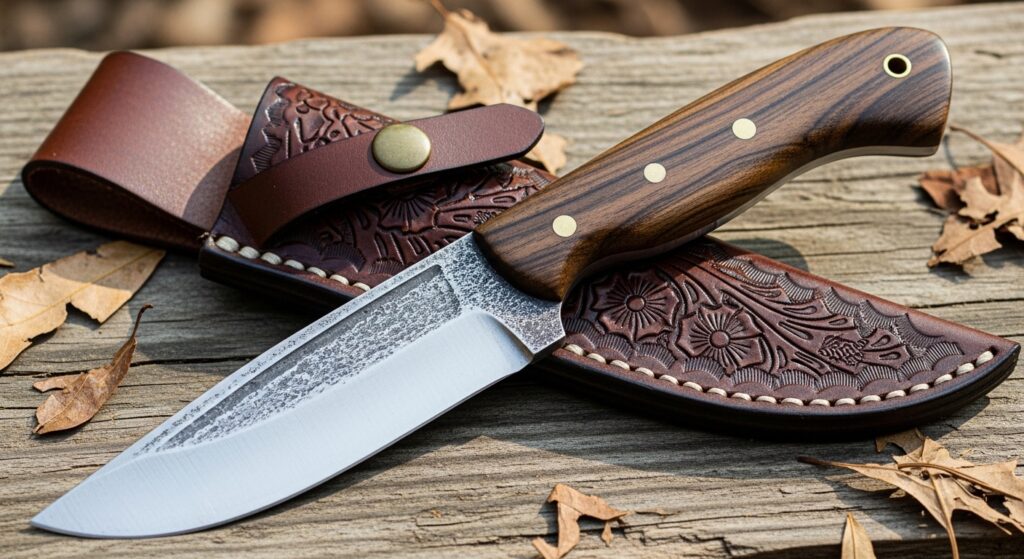
Whether you are looking for a rugged companion for the Appalachian Trail or a simple tool for opening boxes and camping, the knife with sheath you choose defines your experience. Don’t settle for a flimsy cover. Look for quality materials, a comfortable carry style, and a blade that matches your needs. Once you find that perfect knife with sheath, treat it well, and it will likely be the last one you ever need to buy.