

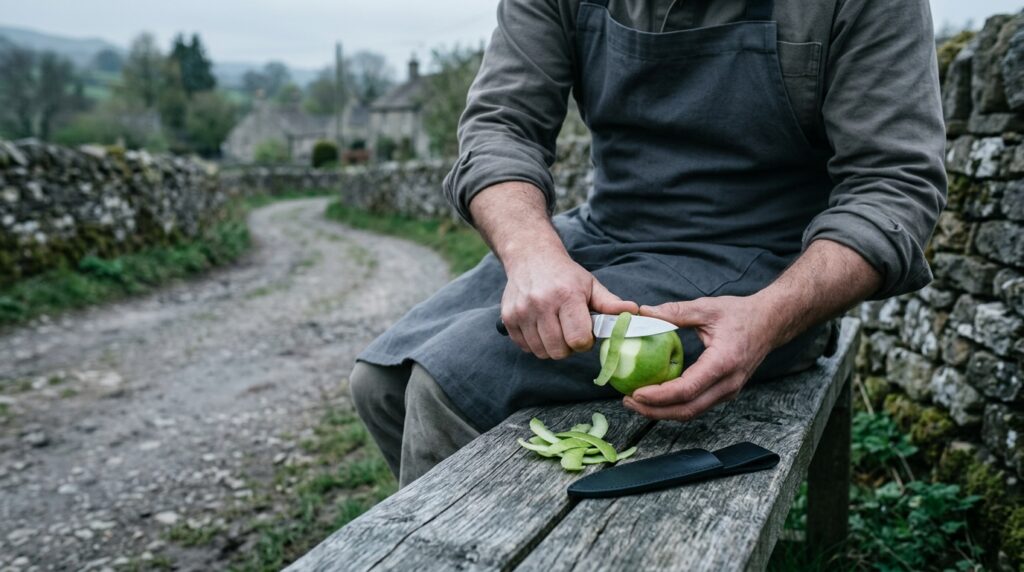
Acquiring a dedicated universal paring knife sheath is an absolute necessity for chefs, field cooks, and culinary enthusiasts who require reliable edge protection on the move. While massive chef’s knives dominate large cutting boards, the compact paring knife is the undisputed workhorse for intricate tasks—including peeling fruit along a village path, processing small garden yields, or handling delicate camp chores.
Carrying a razor-sharp paring blade loose inside a gear bag, picnic basket, or kitchen drawer is a dangerous liability that dulls the steel edge and invites accidental puncture wounds. A high-quality universal paring knife sheath acts as a lightweight personal shelter for your blade, utilizing a flexible or rigid sleeve to safely insulate the cutting geometry.
Evaluating Material Grades: Leather vs. Food-Safe Polymer
The performance, structural lifespan, and sanitation of your universal paring knife sheath rely completely on its material composition:
1. Vegetable-Tanned Leather (The Traditional Outfield Shield)
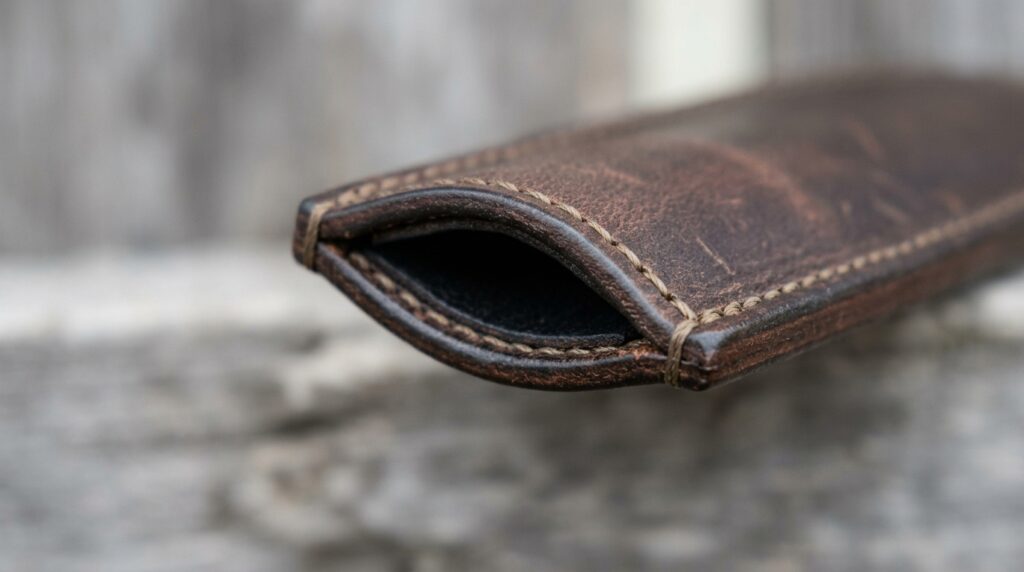
For outdoor camp kitchens, backyard barbecues, and trail picnics, a premium vegetable-tanned leather sheath is the classic gold standard. Crafted from organic hides processed with natural tree bark tannins, vegetable-tanned leather contains zero corrosive salts—ensuring your blade steel will not rust or pit during short-term storage. Over time, a leather sleeve molds itself beautifully to the exact contour of your paring knife bolster, providing a rich, custom patina.
2. High-Impact Food-Safe Polymers (The Modern Kitchen Standard)
For daily indoor kitchen utility and high-moisture environments, a polymer universal paring knife sheath (constructed from ABS or polypropylene) is exceptionally practical. These rigid hard-shell guards feature completely non-porous walls that resist food oils, acids, and juices. They are highly valued for their absolute hygiene, as they can be completely submerged in sanitizing water or run through a standard dishwasher cycle without warping or splitting.
The Mechanical Advantage of a Universal Friction Fit
Because small paring blades vary slightly in spine thickness, heel height, and profile curves depending on the manufacturer, a professional universal paring knife sheath must employ an adaptive retention system:
- Internal Spring-Clamping Rails: High-end polymer sleeves incorporate hidden, tensioned rubber or silicone interior pads. These rails compress naturally against the sides of the steel as you push the blade home, accommodating varying widths while preventing the knife from sliding out unexpectedly.
- Ergonomic Flared Throat: A quality sheath features a widened, angular entry mouth. This flared layout acts as a vital finger guide, allowing you to smoothly line up the tip and house the tool with a single fluid motion without risking accidental nicks to your hand.
- Low-Profile Structural Silhouette: Designed for close-quarter storage, a universal sleeve keeps a narrow footprint. This ensures the blade can be packed flat inside a backpack pocket or organized tightly within a crowded kitchen cutlery drawer without taking up unnecessary spatial clearance.
Essential Care and Maintenance Protocols
To ensure your universal paring knife sheath keeps your cutlery immaculate and functionally safe over decades of service, follow these strict care guidelines:
| Sheath Material | Cleansing Protocol | Field Maintenance |
| Rigid Polymer | Wash with warm, soapy water after every use; completely dishwasher safe. | Ensure the internal chamber dries thoroughly before housing a knife to prevent trapped moisture spots on the blade steel. |
| Vegetable-Tanned Leather | Wipe clean with a damp cloth; never submerge in water or place in a dishwasher. | Apply a light coat of natural beeswax balm or high-quality leather conditioner twice a year to keep the organic fibers supple and windproof. |
Critical Food Safety Rule: Never insert a dirty, wet, or food-stained knife back into its universal casing. Pouch interiors can easily trap microscopic fruit starches, moisture, and debris, creating a humid microclimate that fosters bacteria growth and accelerates blade corrosion. Always wash and dry your paring knife completely before storage.