
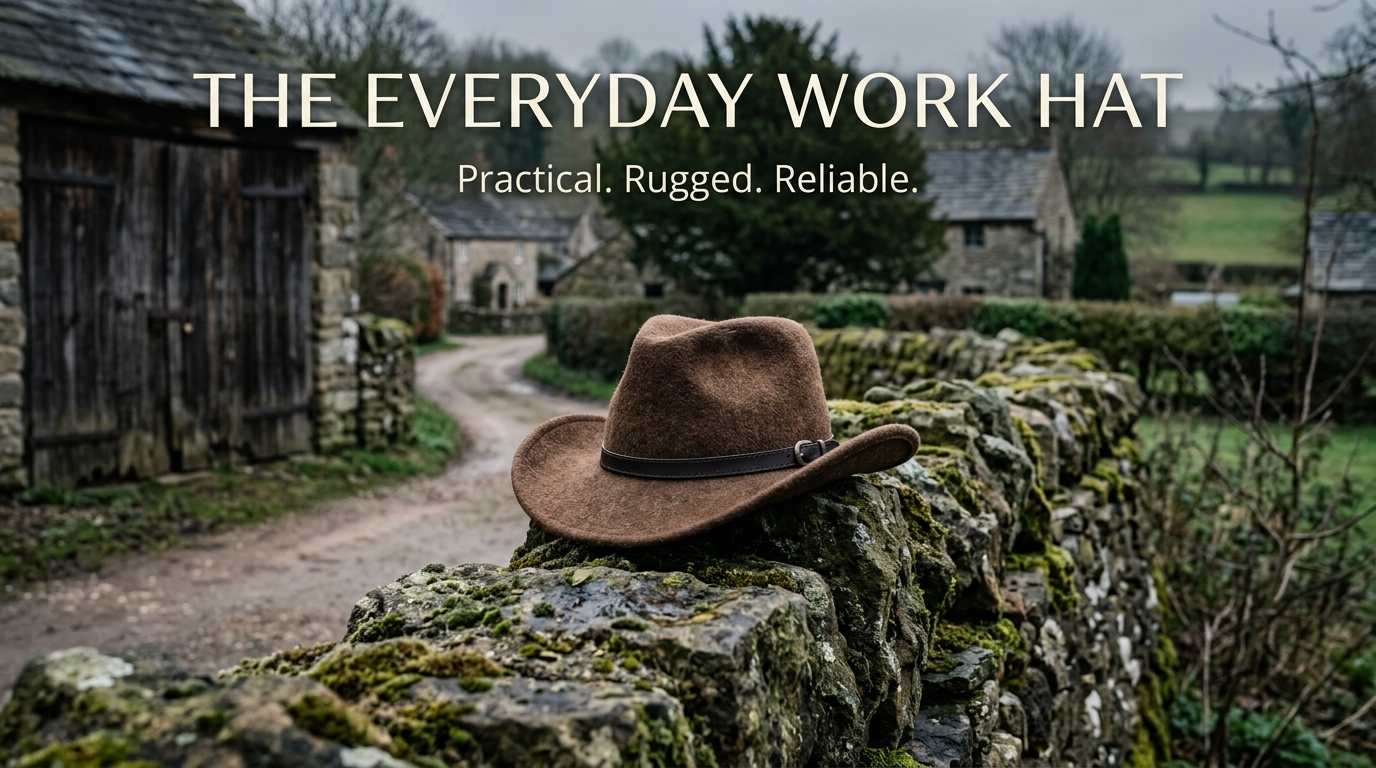
Discount cowboy hats provide an accessible entry point into traditional western apparel without requiring a massive financial investment. While premium beaver fur-felt hats are engineered for decades of rigorous ranch labor, they often carry prohibitive price tags. For casual riders, festival attendees, or agricultural workers who simply need basic sun protection, affordable cowboy hats deliver highly practical functionality.
Navigating the budget market requires an understanding of alternative manufacturing materials and construction techniques. This guide details exactly what to look for when purchasing affordable western headwear, ensuring you acquire a durable product that maximizes value and everyday utility.
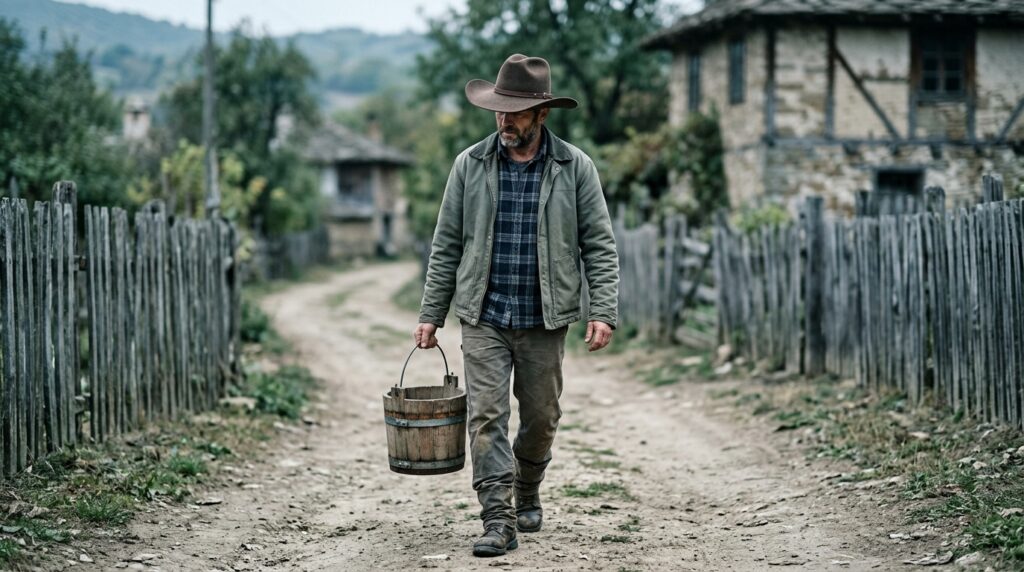
Understanding Budget-Friendly Materials
The price of a western hat is dictated almost entirely by its material composition. When shopping for discount options, you will encounter three primary material categories, each serving a different environmental purpose.
Wool Felt (The Cold-Weather Option)
Premium cold-weather hats are made from animal fur, but discount alternatives rely on crushed wool felt. Wool is significantly cheaper to process while still providing excellent insulation against freezing winds during early morning farm chores. The primary tradeoff is that wool felt is less water-resistant than fur and can lose its shape if heavily soaked. However, for dry, cold environments, wool felt delivers a classic western aesthetic at a fraction of the cost.
Palm Leaf and Straw (The Warm-Weather Standard)
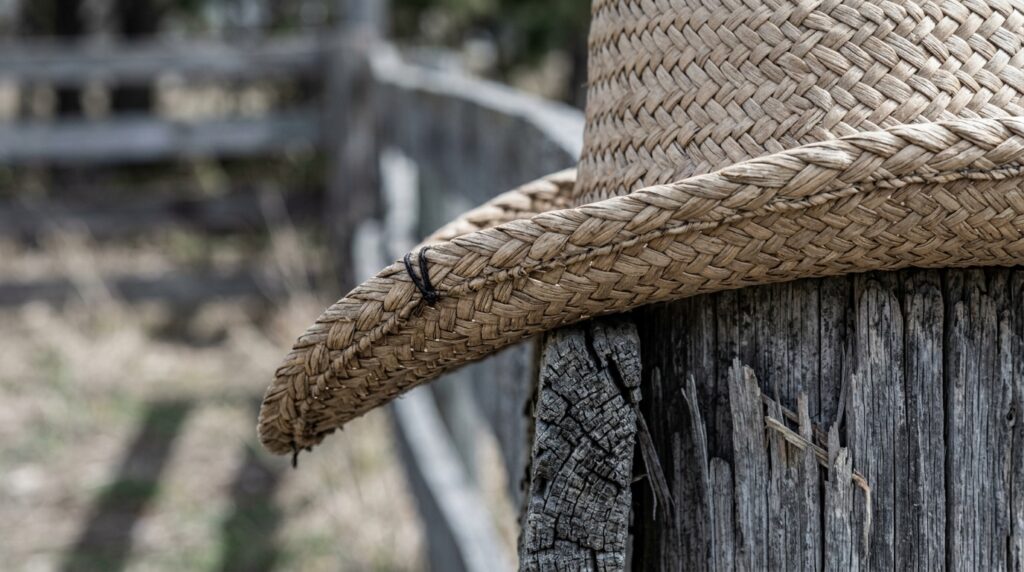
For summer environments, palm leaf and woven straw are the undisputed standards for budget-friendly headwear. Palm leaf is incredibly durable, highly breathable, and remarkably inexpensive. Furthermore, palm leaf hats can be submerged in water and reshaped by hand, making them highly practical for heavy agricultural work where the hat will inevitably be crushed or dropped in the dirt.
Synthetic Blends and “Faux Felt”
The lowest tier of discount hats utilizes synthetic polyester blends designed to mimic the look of felt. These are often categorized as novelty or festival hats. While they do not offer the breathability of natural straw or the insulation of wool, they are highly crush-resistant and cost-effective for occasional wear, outdoor concerts, or light recreational riding.
Key Features to Inspect Before Purchasing
When buying a budget hat, certain structural details indicate whether the product will last through a season of use or fall apart immediately.
- The Internal Sweatband: Inspect the lining where the hat meets your forehead. Many ultra-cheap hats use rigid plastic sweatbands that cause severe chafing and trap perspiration. Look for discount hats that utilize moisture-wicking cotton or synthetic leather sweatbands for better comfort during manual labor.
- Wire-Reinforced Brims: A common issue with cheap wool or synthetic hats is that the brim sags over time. Look for hats that feature a thin, concealed wire running along the outer edge of the brim. This allows you to manually bend and shape the hat back into a crisp western silhouette.
- Crown Stiffness: Affordable wool hats should feel slightly rigid. If the crown collapses under minimal pressure, the hat lacks the necessary stiffening agents to hold its shape during outdoor use.
Sizing Adjustments and Micro-Fitting
Budget hats are often sold in generic sizes (Small, Medium, Large) rather than exact numerical measurements. If a discount hat fits slightly too loose, you can easily correct the fit yourself.
1.Assess the Loose Fit:
Place the hat on your head and look for gaps along the sides or back. A loose hat will wobble when you shake your head and easily blow off in high winds.
2.Prepare the Sweatband:
Flip down the interior cotton or synthetic leather sweatband flap to expose the inner wall of the hat’s crown.
3.Apply Sizing Tape:
Insert adhesive foam sizing tape strips—often called hat shims—directly onto the inner crown wall behind the sweatband. Start by placing a strip at the back of the hat, then flip the sweatband back up and test the fit. Add side strips if necessary to achieve a secure, custom-like grip.
Headwear Material Selection Guide
To ensure you buy a budget-friendly option matching your environment, review the primary trade-offs below:
| Material Type | Ideal Climate | Key Benefit | Main Limitation |
|---|---|---|---|
| Crushed Wool Felt | Dry & Cold | Excellent wind insulation; classic western look. | Deforms easily if saturated by heavy rain. |
| Natural Palm Leaf | Hot & Humid | Can be completely submerged in water and reshaped. | Feels slightly heavier than ultra-light straw options. |
| Woven Toyo / Straw | Hot & Sunny | Extremely lightweight and breathable. | Vulnerable to cracking under severe pressure. |
| Synthetic Faux Felt | Mild / Varied | Complete shape memory; highly crush-resistant. | Lacks breathability; seals in heat during summer. |
Routine Maintenance for Discount Hats
Maintaining a discount cowboy hat requires targeted care depending on the material family:
- Wool & Synthetic Felt Care: Avoid exposing these blends to heavy downpours. If a wool hat becomes dusty on a trail, use a soft-bristled brush to gently sweep the dirt counter-clockwise along the crown and brim.
- Straw & Palm Leaf Care: Simply wipe away surface mud, sweat lines, or trail dirt with a damp microfiber cloth and allow them to air-dry naturally in a shaded, well-ventilated area. Never apply artificial heat sources to dry out your headwear.