
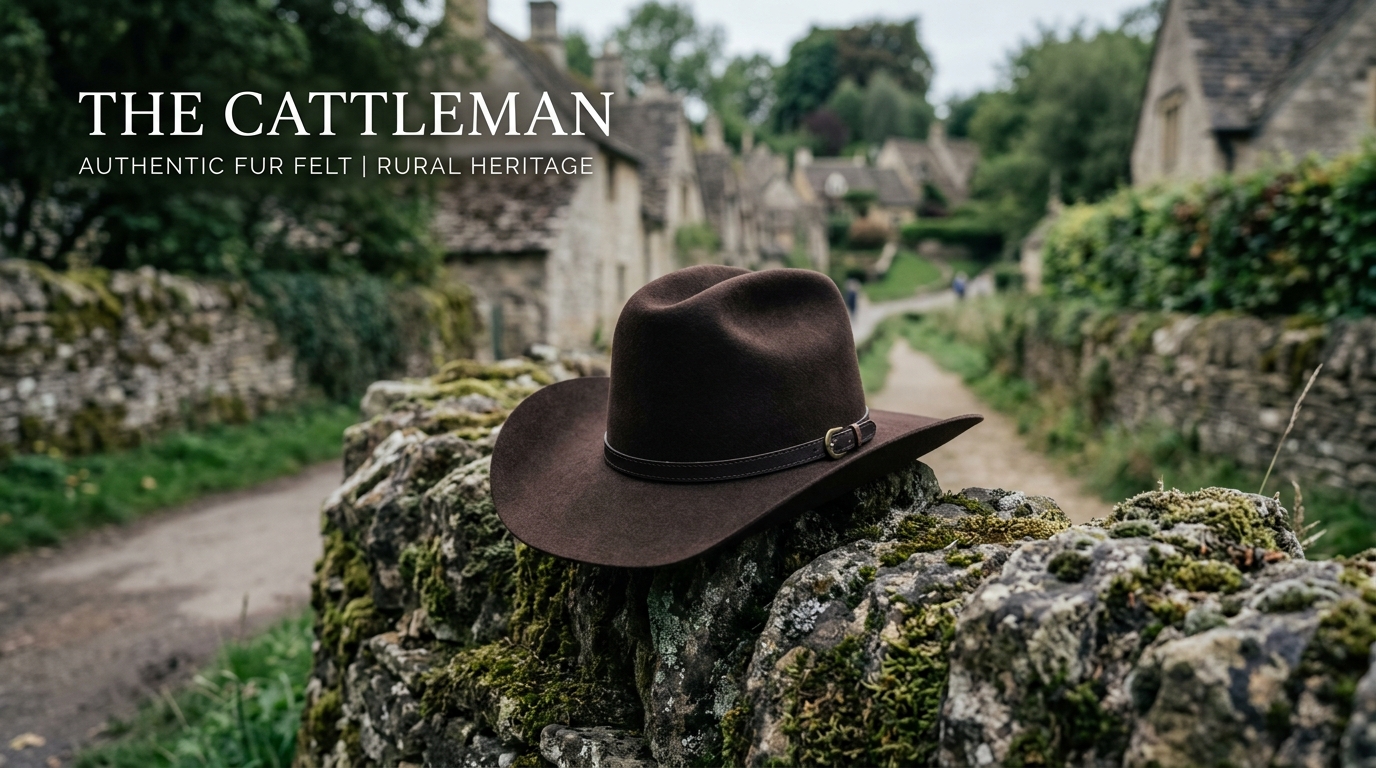
A classic cowboy hat is the defining symbol of western heritage, engineered specifically to withstand the harsh realities of agricultural labor and rural trail riding. Unlike modern novelty hats, a truly classic western hat prioritizes function over fashion. Its wide brim acts as a personal shelter against heavy rain and intense ultraviolet exposure, while the tall crown provides an insulating pocket of air that regulates head temperature during long hours in the field.
Understanding the anatomy of traditional headwear is crucial when investing in a high-quality piece. This guide details the historical materials, functional crease styles, and strict maintenance protocols required to preserve a classic western hat for decades of reliable use in a village or ranch environment.

The Anatomy of Traditional Materials
The durability and weather resistance of a classic hat depend entirely on its base material. Authentic western headwear is categorized into two distinct seasonal classes:
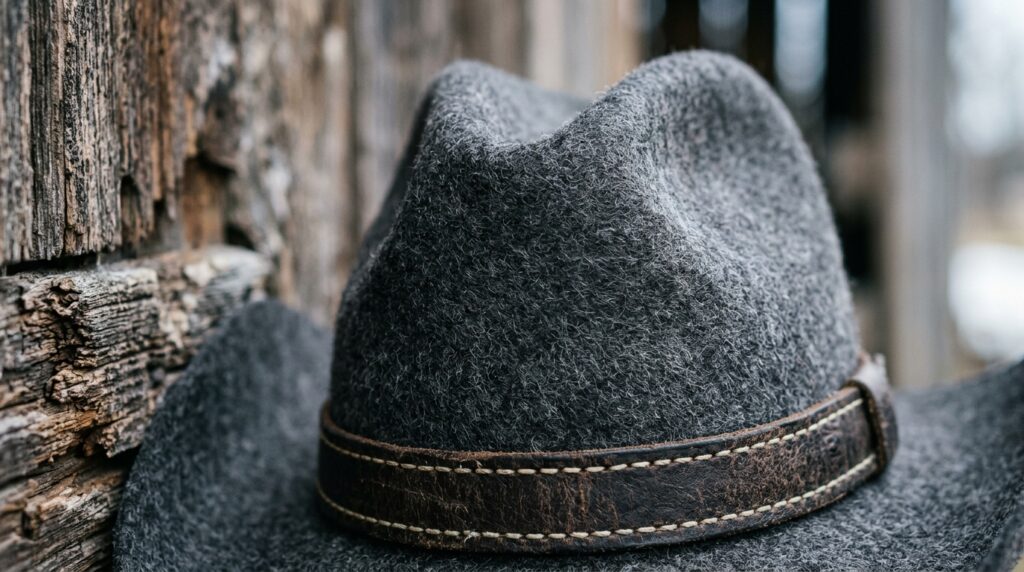
- Fur-Felt (The Cold-Weather Standard): The most durable and historically accurate classic hats are constructed from pure beaver or rabbit fur-felt. Through a rigorous felting process, these microscopic animal fibers interlock tightly, creating a dense material that is naturally waterproof and highly insulating. A premium fur-felt hat will deflect freezing winds, shed heavy rain without losing its shape, and endure years of abrasive brush contact.
- Woven Straw and Palm Leaf (The Warm-Weather Essential): For summer rural work, classic hats transition to woven straw or palm leaf. Palm leaf is exceptionally durable and can be submerged in water to cool the wearer down before reshaping itself. Traditional tightly woven straw provides crucial ventilation, allowing body heat to escape the crown while maintaining a rigid, sun-blocking brim.
Iconic Creases and Their Functional Purpose
The shape of a classic cowboy hat—specifically the indentations on the top of the crown—is not merely decorative. Historically, creases were developed to solve specific environmental challenges.
The Cattleman Crease
This is the most recognized and traditional crease in western wear, clearly illustrated on the premium black fur-felt hat above. It features a single, deep crease directly down the center of the crown, flanked by two parallel dents on the sides.
The Cattleman profile was engineered specifically for high winds; the deep central crease lowers the overall height of the hat, reducing wind resistance and ensuring the headwear remains firmly planted on the rider’s head during sudden storms, heavy outdoor work, or a fast trail ride.
The Pinch Front Crown
The Pinch Front features a teardrop or diamond-shaped indentation on the top, with two sharp pinches at the front of the crown. This design is highly practical for users who frequently need to remove or adjust their hat. The sharp front pinches provide a secure, ergonomic grip for the fingers, preventing the wearer from handling and warping the delicate brim edge.
Sizing and Fitting Protocol
A classic cowboy hat must fit securely enough to withstand heavy winds without causing pressure headaches. Follow this sequence to determine your exact placement and size:
1.Measure Head Circumference:
Wrap a soft fabric measuring tape around your head, positioning it approximately 1 inch above your eyebrows and ears. Keep the tape level and snug, but not overly tight.
2.Convert to Fractional Sizes:
Take your measurement in inches or centimeters and map it to traditional fractional hat sizing charts (e.g., 7 1/8, 7 1/4, 7 3/8). If you fall between sizes, always select the larger size and utilize thin foam shims behind the sweatband to adjust.
3.Verify the Two-Finger Test:
Place the hat on your head. The inner sweatband should grip your forehead firmly. You should be able to slide only a single finger between the band and your skin. The hat must stay secure when you shake your head, yet feel comfortable enough for a 12-hour shift.
Headwear Maintenance Guidelines
Maintaining a premium felt or straw hat requires strict adherence to traditional care rules to prevent the structural fibers from breaking down:
| Hat Area | Proper Handling Technique | Cleaning Tool | Storage Position |
| The Crown | Always grab the hat by the crown creases to adjust or remove it. | Soft cloth or light sponge for sweatbands. | Rest the hat upside down on its crown to preserve brim shape. |
| The Brim | Never set a hat down flat on its brim (flattens the custom side curves). | Stiff-bristled horsehair hat brush. | Hang on a dedicated peg or store in a specialized hat box. |
- Cleaning Trail Dust: After a long day on a dusty path, use your horsehair brush to clean the hide. For felt, always brush counter-clockwise around the crown and brim. This alignment matches the natural directional nap of the fur fibers, keeping the texture smooth, clean, and highly water-resistant.