
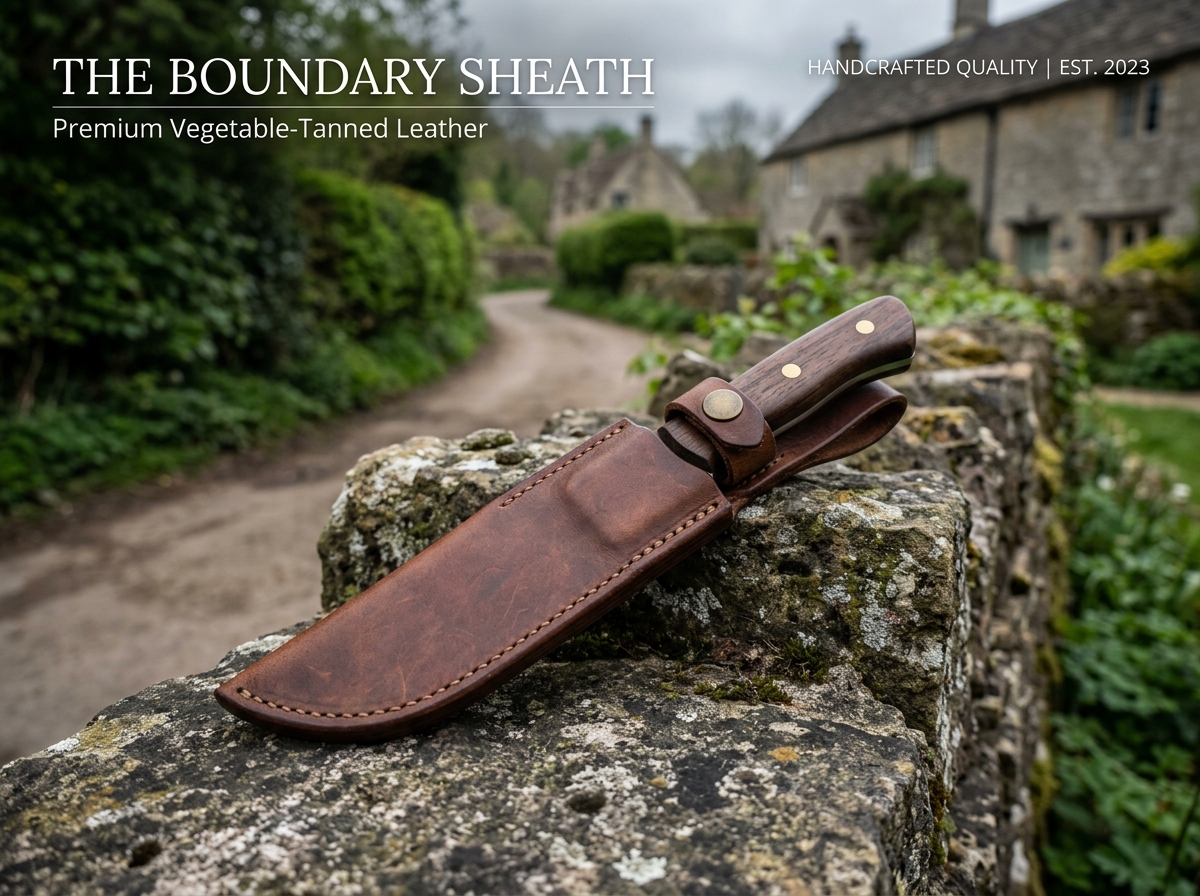
When you are searching for a high-quality knife sheath near me, the objective is to find a protective carrier that offers an absolute friction lock around your specific blade. A generic, mass-produced plastic or nylon sleeve from a big-box retail store will rarely fit the unique dimensions of a custom full-tang hunting blade or a pocket multi-tool. A loose sleeve is an immediate safety hazard in the field; if the leather sags or lacks a tight welt, the razor-sharp edge can microscopically slice through the stitching or slip out completely on an unpaved village trail.
Finding a premium knife sheath near me means connecting with traditional tanneries, regional saddleries, or domestic leather artisans who understand the physics of wet-molding. This comprehensive guide details how to locate master crafters in your vicinity, evaluate their leatherwork, and leverage rapid domestic networks to secure custom-tailored gear.
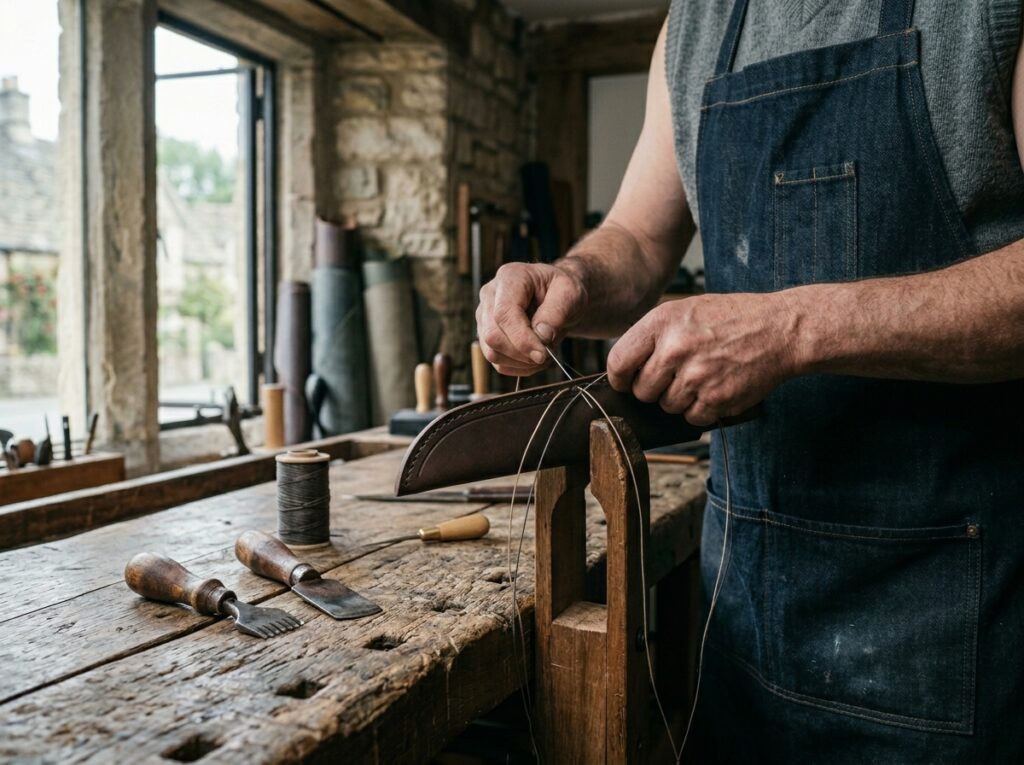
1. Tracking Down Local Leather Artisans and Saddleries
If your goal is to find a physical storefront or workshop for a knife sheath near me, traditional agricultural and craft networks are your most effective resource:
- Regional Saddleries and Boot Repair Shops: Establishments that specialize in repairing heavy leather riding boots, equestrian saddles, or livestock harness straps are perfectly equipped to build a knife sleeve. They stock thick, high-density cowhide and operate heavy-duty industrial stitching machines that can effortlessly pierce multi-layer borders.
- Rural Cooperatives and Village Craft Markets: Visiting agricultural hubs or local weekend trade exhibitions often connects you directly with independent leathercrafters. These artisans specialize in building high-utility everyday carry (EDC) gear, including specialized cross-draw slips, pancake sheaths, and axe guards.
- Custom Knife Maker Networks: If you have a local independent blacksmith or bladesmith shop in your area, contact them directly. Almost every professional knife maker maintains a close working partnership with a dedicated local leatherworker who handles their sheath production.
2. Onboarding Lifecycle: The Custom Sheath Sourcing Pipeline
When commissioning a custom edge wrapper—whether locally or via a domestic remote artisan—follow this step-by-step sizing and intake protocol to guarantee an exact fit:
1.Profile Dimension and Spine Mapping:
Measure the precise specifications of your blade. Trace your knife flat on a sheet of graph paper and record the exact spine thickness, blade length, and handle bolster width. This creates a blueprint for the leather block out.
2.Select Carry Orientation Style:
Determine your field deployment layout. Choose between a traditional vertical drop sheath, a low-profile horizontal scout carry, or an angled cross-draw configuration based on your primary movement patterns on the trail.
3.Wet-Molding and Curing Callibration:.
The artisan dampens the vegetable-tanned hide and forms it directly around your blade (or a precise 3D polymer template). The leather is left to cure slowly at room temperature to shrink tightly around the handle’s exact contours.
4.Friction Lock and Retention Audit:
Test the finished housing by sliding the dry knife home. The sheath should yield a distinct, physical “snap” as the molded leather lips clamp onto the finger guard, providing total retention even when turned completely upside down.
3. Tool Utility: Premium Leather Craftsmanship Matrix
Whether you buy from a physical shop down the road or order a custom build from a digital workshop, evaluate the underlying engineering before taking your tool into the field:
| Structural Component | Material Quality Standard | Primary Field Utility | Recommended Field Environment |
| Internal Leather Welt | Thick, independent layer of leather stitched tightly between the main front and back panels. | Absolute Safety Guard; blocks the razor-sharp edge from cutting your load-bearing saddle stitching during deployment. | Everyday utility chores, brush clearing, and active field tracking. |
| Vegetable-Tanned Hide | 100% full-grain, organically tanned cowhide or water buffalo leather. | Corrosion Prevention; contains zero corrosive chemical salts, preventing high-carbon steel from pitting or rusting during storage. | High-humidity zones, coastal trails, and long-term gear storage safes. |
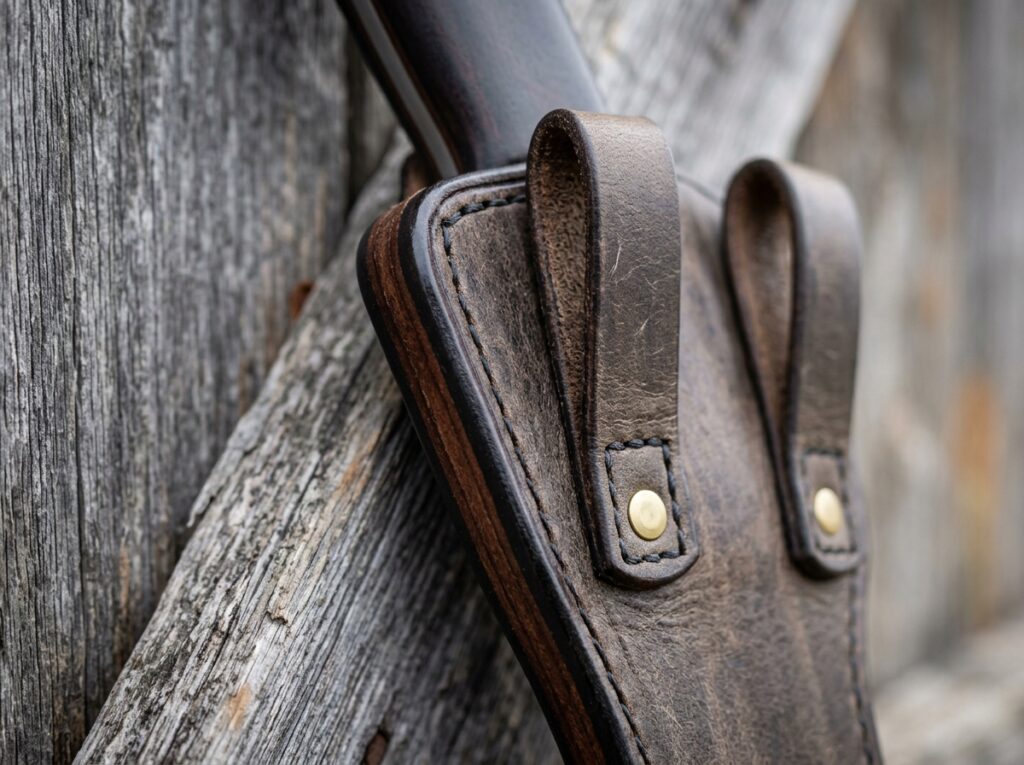
| Dual-Point Stabilization | Wide, independent belt loops or thick, reinforced copper-riveted snap straps. | Rigid Frame Alignment; clamps the sheath completely flat against your work belt, preventing the handle from wobbling or tilting. | Dynamic riding, climbing fences, and navigating dense trail brush. |
4. The Digital Solution: Bespoke Online Ordering with Fast Delivery
If a map search for a physical knife sheath near me yields limited local options, modern domestic leathercraft digital platforms fill the gap perfectly. Master workshop networks allow you to commission a bespoke build directly from your phone.
When ordering a custom sheath online, you do not always need to ship your physical knife to the workshop. Most master makers maintain an extensive library of precision wood or polymer 3D templates for iconic blade shapes (such as the Buck 110, ESEE 4, or Ka-Bar Marine Corps knife). For completely custom hand-forged blades, you simply send your graph-paper trace scan directly to the workshop to ensure a flawless structural fit.
5. Routine Care for Your New Field Sleeve
Once you secure the perfect knife sheath near me, preserving the organic leather fibers ensures a lifetime of reliable field performance:
Soil and Sweat Evacuation
After spending a long shift navigating dusty paths, muddy corrals, or damp pastures, allow any wet dirt on your sheath to dry completely at room temperature. Use a stiff-bristled horsehair brush to vigorously sweep the dried soil out of the seams, fringe rows, and belt loops.
Leather Hydration Guidelines
Every six months, apply a light coat of natural beeswax balm or high-quality leather conditioner to keep the hide supple and windproof against harsh sun or rain exposure.
Rigidity Warning: Always avoid over-saturating the core leather with soft liquid oils like neatsfoot. Maintaining an absolute baseline structural stiffness in the hide is required to keep the custom friction-lock retention functioning safely around your blade.
6. Conclusion: Locking Down Your Edge Defense
Sourcing a premium, custom-fit knife sheath near me updates your everyday utility by pairing elite personal safety with total blade protection. By opting for an organic vegetable-tanned hide that shields your steel from rust and confirming a dual-point belt stabilization layout, you ensure your tool stays quiet and secured at your waistline. Implementing a regular, heat-free cleaning routine and avoiding over-softening waxes guarantees your field wrapper maintains its exact friction-lock contour across a lifetime of rugged use on the trail.
For Leather Spur Your trusted source for premium, heritage-grade western wear, handcrafted leather armor, and heavy-duty field equipment built for the active modern tracker.