
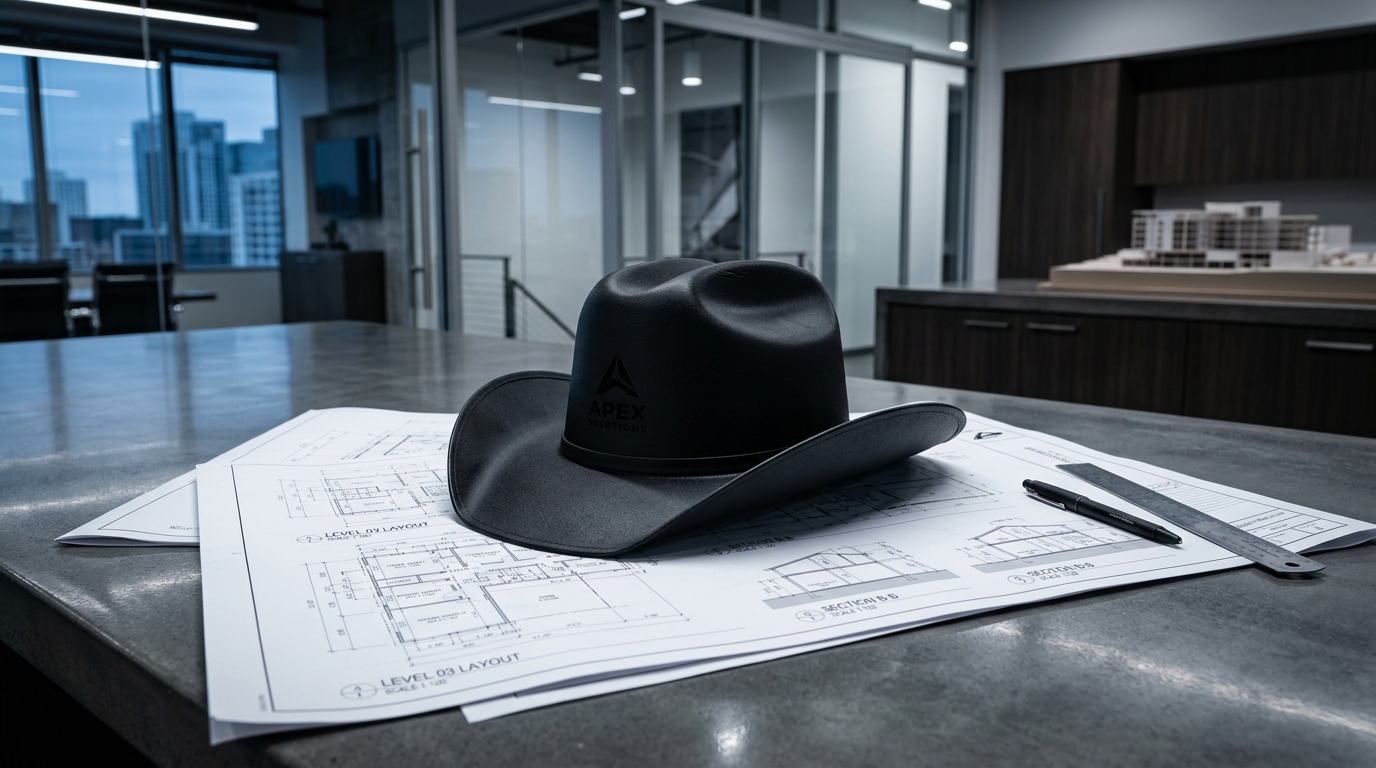
Let us examine a very real scenario that plays out on construction sites around the world every single day. A few years ago, during a site visit for a massive commercial development project under the sweltering summer sun, I noticed a stark contrast among the crew. The majority of the team was wearing standard, narrow-brimmed helmets. They were constantly pulling bandanas over their necks or squinting against the harsh glare, clearly uncomfortable and exposed to the relentless heat.
However, the site foreman stood completely unbothered. He was wearing a highly structured, wide-brimmed cowboy hard hat.
He had the 360-degree shade of a traditional western hat, but with the rigid, impact-resistant shell required for heavy industry. It was a brilliant fusion of practical outdoor heritage and modern engineering. He was not just making a style statement; he was utilizing a superior piece of protective headwear that shielded him from both falling debris and extreme ultraviolet radiation.
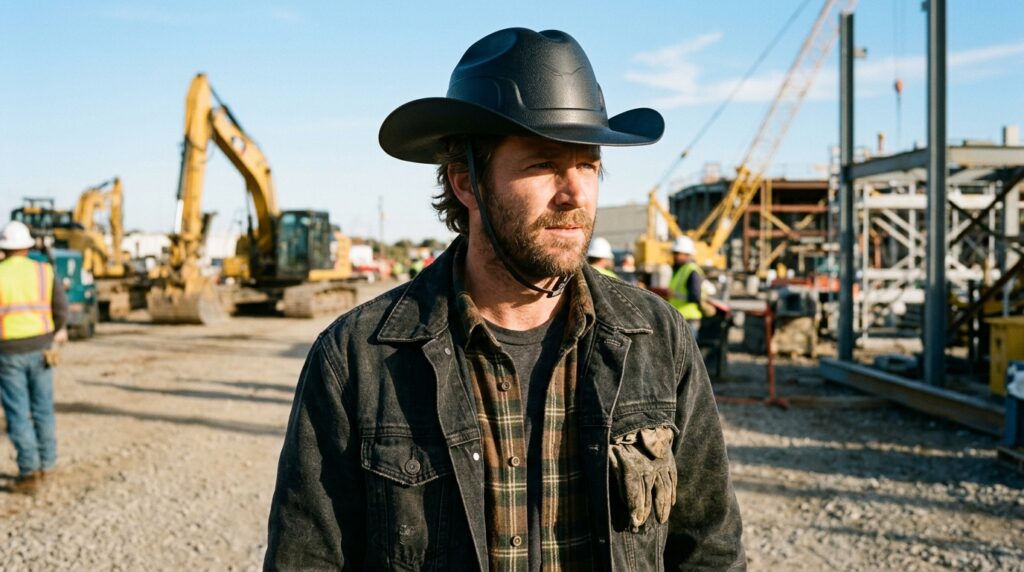
The Superior Functionality of the Wide Brim
When you first see a cowboy hard hat, you might assume it is a novelty item. That assumption could not be further from the truth. These helmets are meticulously designed tools that solve specific environmental problems:
- Unparalleled Sun Protection: A standard hard hat leaves your ears and neck exposed. The sweeping brim of a western hard hat creates a personal, continuous canopy of shade, reducing fatigue and long-term UV health risks.
- Weather Deflection: In heavy rain, standard helmets allow water to drip down your collar. The curved brim of a cowboy-style helmet acts like a built-in umbrella, directing water away from your core.
- Debris Shedding: The increased surface area provides an extra layer of protection against falling dust, grit, or chemicals common in industrial environments.
Understanding Safety Standards: It Is Not Just for Show
The most critical factor in purchasing construction gear is verifying its protective capabilities. A high-quality cowboy hard hat is constructed from ultra-durable High-Density Polyethylene (HDPE) or advanced fiberglass composites.
Before bringing new gear onto a site, ensure it is fully OSHA compliant. In most international markets, this means meeting ANSI Z89.1 standards.
| Feature | Specification |
|---|---|
| Impact Type | Type 1: Engineered to reduce force from a direct impact to the top of the head. |
| Electrical Class G | General: Rated for protection against low-voltage conductors. |
| Electrical Class E | Electrical: Proof-tested at high voltages for utility work. |
Export to Sheets
Step-by-Step Guide: How to Choose Your Perfect Helmet
Investing in a safety helmet requires attention to detail. You will be wearing this for thousands of hours, so fit is paramount.
Step 1: Verify the Certifications First Always check the interior of the shell. A legitimate manufacturer will have the ANSI certification, the Type, and the Class physically molded into the plastic or printed on a permanent factory sticker.
Step 2: Choose the Right Suspension System The suspension absorbs the shock. You generally choose between:
- 4-point suspension: Lighter and highly common for standard tasks.
- 6-point suspension: Distributes weight and impact force across a wider area for maximum stability.
Step 3: Select a Ratchet Adjustment Avoid old-fashioned pin-lock straps. Ensure your helmet features a premium ratchet suspension. This allows you to turn a small dial at the back to tighten or loosen the fit with millimeter precision, even while wearing heavy work gloves.
Step 4: Pick a Professional Color Color often dictates your role. White is traditionally reserved for site managers and engineers, while high-visibility colors are ideal for heavy equipment zones.
Maintenance and Care: Protecting the Protector
A protective headwear system has an expiration date. Sunlight and daily wear naturally degrade materials over time.
- Inspect Daily: Look for hairline cracks, deep gouges, or severe fading. If the plastic looks “chalky,” UV rays have degraded the integrity; replace it immediately.
- Clean Properly: Use mild soap and warm water. Never use harsh industrial solvents or gasoline, as these can silently destroy the impact resistance of the HDPE.
- Sanitize the Suspension: Remove the suspension system every few weeks and wash the brow pad in cold water to prevent bacterial buildup and skin irritation.
- Replace on Schedule: Replace the interior suspension every 12 months and the entire shell every 2 to 5 years, depending on your work environment.
Upgrade Your Gear with Absolute Confidence
Settling for an uncomfortable, inadequate helmet is a disservice to your performance. Choosing a cowboy hard hat is a deliberate upgrade. It signifies that you take your safety seriously and appreciate a commanding, professional aesthetic.
To ensure a sharp, efficient shopping experience, we utilize dynamic WooCommerce product grids. This allows you to view real-time inventory, color variations, and safety certifications without clunky page reloads.
Do not endure another brutal shift without adequate shade. Protect your most valuable asset and secure your new OSHA compliant cowboy hard hat today.
Mandatory Legal Disclaimer: The information provided in this article is for general guidance and educational purposes only. Always ensure that any protective headwear, safety helmet, or construction gear you purchase strictly meets the specific safety regulations, local laws, and required OSHA standards mandated by your employer and local government authorities.