
A knife sheath kitchen organization strategy is a fundamental requirement for anyone who invests in high-quality culinary tools. Storing premium chef knives loosely in a standard utensil drawer is a leading cause of severe blade damage and personal injury. When unprotected high-carbon or Damascus steel blades rattle against metal spoons, ceramic peelers, and heavy kitchen shears, the microscopic cutting edge rolls, chips, and rapidly degrades.
Traditional massive wooden knife blocks are a common alternative, but they consume valuable countertop space and feature deep, narrow slots that trap moisture and bacteria. Utilizing individual knife sheaths—often referred to as edge guards or blade protectors—solves these issues entirely. They allow for hygienic, low-profile storage while ensuring your expensive cutlery remains razor-sharp and completely safe to handle.
This guide details exactly how to select the correct sheath materials, accurately size your blades, and maintain your culinary equipment for long-term durability.
Choosing the Optimal Material for Your Kitchen
The material of your kitchen knife sheath dictates its durability, breathability, and aesthetic appeal. Selecting the right construction depends on the type of knives you own and your storage environment.
1. Premium Leather Sheaths
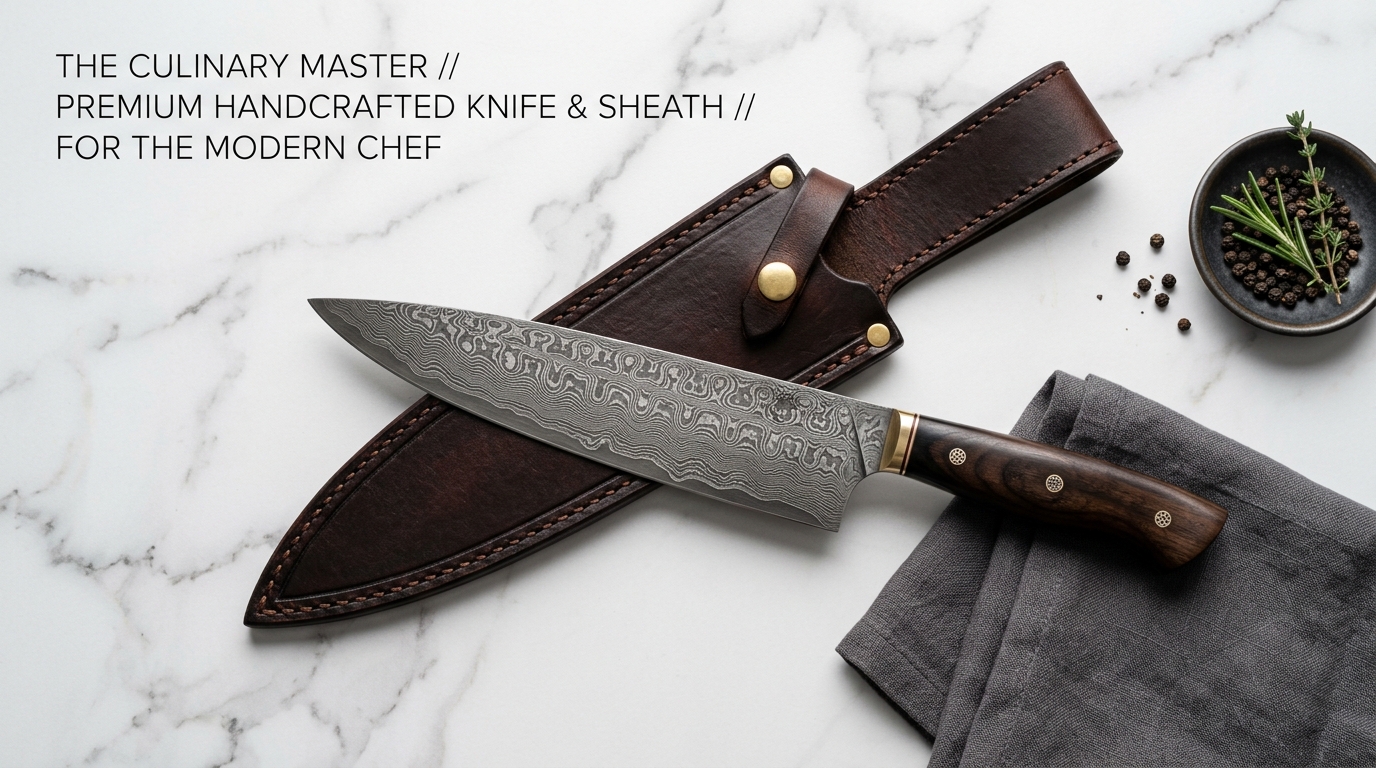
Genuine full-grain leather is a superior choice for high-end chef knives and cleavers. Leather is naturally durable and relies on a tight, custom-molded friction fit to grip the blade securely. The thick hide prevents the sharp edge from piercing through, while the natural breathability of the material prevents moisture buildup. Over time, a high-quality leather kitchen sheath develops a rich patina, adding a sophisticated, professional aesthetic to your culinary toolkit.
2. Traditional Wooden Sayas
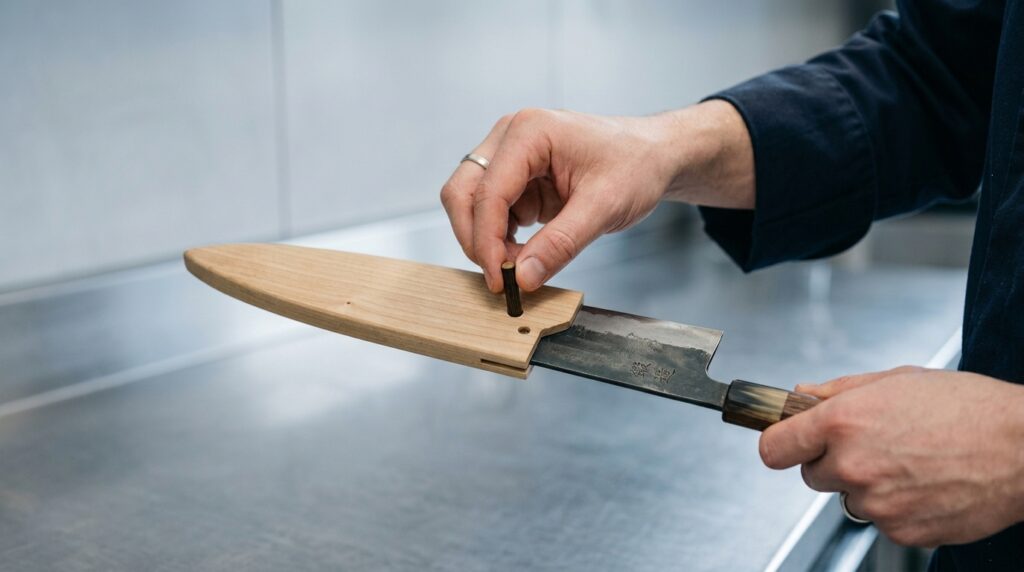
For delicate Japanese cutlery such as a Santoku, Gyuto, or Nakiri, the traditional wooden Saya is the industry standard. Typically crafted from lightweight, breathable woods like Magnolia or Ho wood, a Saya absorbs trace amounts of ambient moisture, which is critical for preventing rust on high-carbon steel blades. They secure the knife utilizing a small wooden retention pin that slides horizontally through the cover.
3. Magnetic Edge Guards
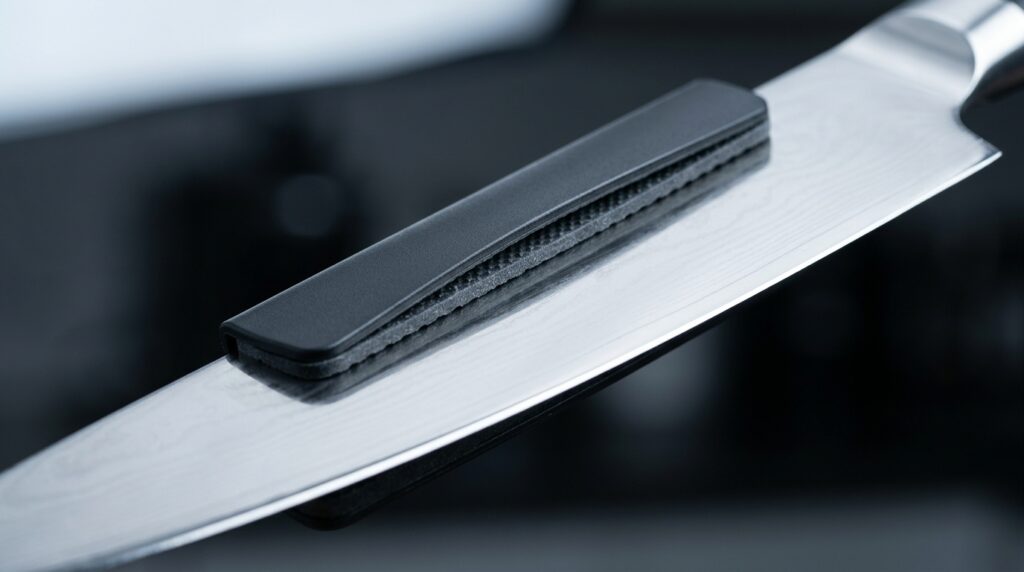
For a modern, highly functional approach, magnetic guards are exceptionally practical. These sleek protectors fold over the blade and utilize internal rubberized magnets to grip the flat sides of the steel. Because the sheath only touches the sides of the knife, it never dulls the fragile cutting edge. They are highly hygienic, easy to wipe clean, and ideal for outfitting an entire drawer of various utility knives.
Accurate Sizing for Maximum Safety
A kitchen knife sheath must fit with absolute precision. A guard that is too short leaves the sharp heel exposed, while a guard that is too wide will easily slip off during storage.
1.Measure the Blade Length:
Use a standard tape measure to determine the exact length from the tip of the blade to the bolster (where the metal meets the handle). If your chef’s knife is exactly 8 inches, purchase a sheath designed specifically for an 8-inch to 8.5-inch blade. Never attempt to force a blade into a sheath that is too short.
2.Measure the Blade Height:
This is the most critical and frequently overlooked measurement. A slim slicing knife and a tall Nakiri vegetable cleaver may both be 7 inches long, but they require entirely different sheath widths. Measure the height of the blade at its widest point near the heel to ensure it clears the internal dimensions of the edge guard.
3.Match the Blade Profile:
Ensure the physical silhouette of the sheath matches the knife type. A curved Western chef’s knife requires a sloped tip, whereas a flat-edged Japanese blade requires a completely rectangular cover.
Culinary Sheath Material Matrix
To maintain proper kitchen hygiene and blade safety, tailor your storage choice to your specific type of cutlery:
| Sheath Material | Best For | Retention Mechanism | Essential Maintenance |
|---|---|---|---|
| Full-Grain Leather | Heavy Western Chef Knives & Cleavers | Custom friction-molded fit | Treat with food-safe beeswax balm every few months. |
| Wooden Saya | Delicate High-Carbon Japanese Cutlery | Horizontal wooden friction pin | Apply a light coat of food-grade mineral oil to prevent splitting. |
| Magnetic Guard | Multi-Device Utility Drawers & Travel Kits | Internal rubberized side magnets | Wipe clean with a damp microfiber cloth; dry instantly. |
Mandatory Maintenance for Culinary Sheaths
To ensure your edge guards protect your blades without harboring bacteria or causing rust, strict maintenance protocols must be followed:
- The Dry Blade Rule: Never insert a wet or damp knife into any sheath. After hand-washing your culinary tools, dry the steel completely with a clean microfiber towel. Trapping moisture inside an enclosed leather or wooden sheath will rapidly accelerate rust and can cause mold growth.
- Cleaning the Sheath: Do not place leather, wood, or magnetic sheaths in the dishwasher. Wipe the exterior of a leather or wooden cover with a slightly damp cloth and allow it to air-dry completely at room temperature.
- Material Conditioning: Never use chemical leather oils or industrial polishes on kitchen items. Stick strictly to food-grade protectants to preserve your setup safely.