
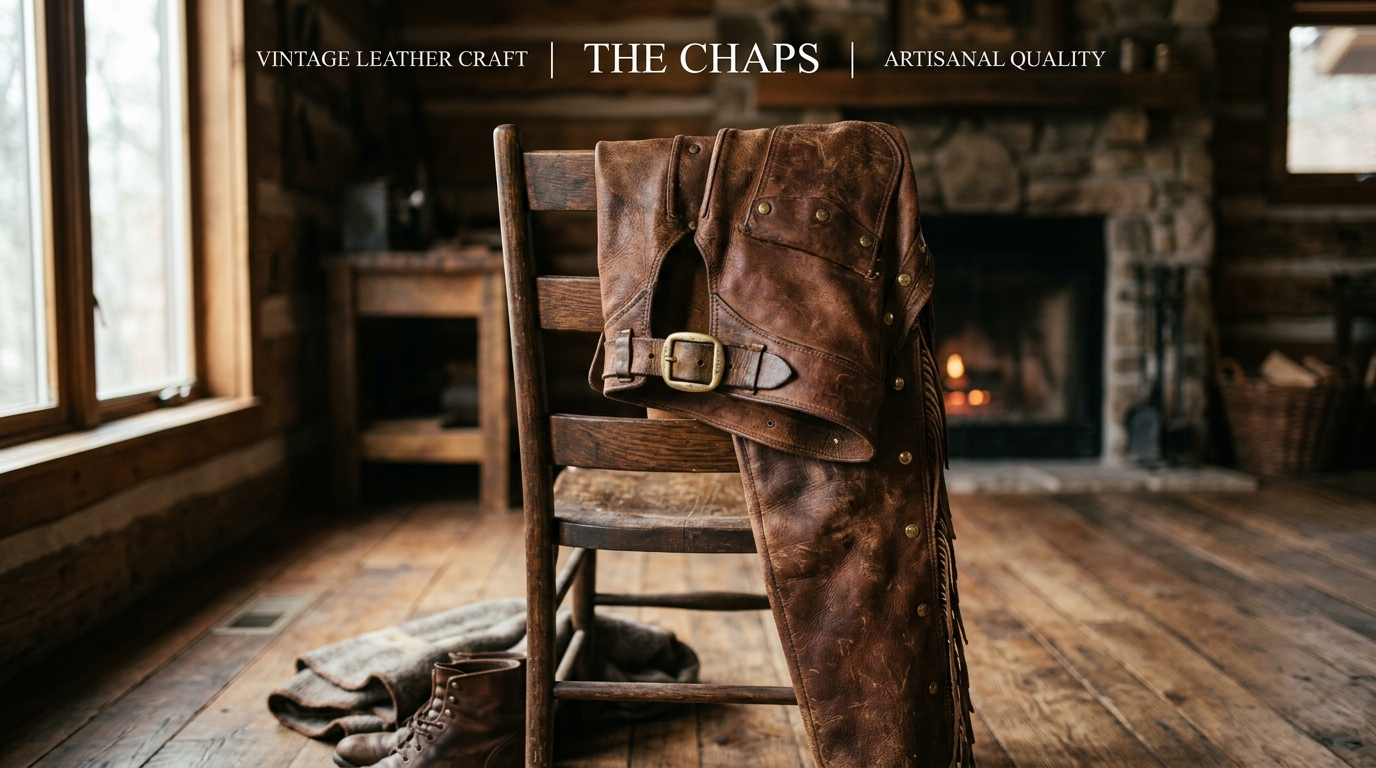
Let me paint a vivid picture for you. A few years ago, I found myself wandering through a dusty antique trading post in the American Southwest. The air was thick with the scent of old saddles and aged cedar. Deep in the back corner, hanging over a weathered wooden rail, was a pair of genuine vintage leather chaps. They were heavily worn, showcasing a breathtaking patina that you simply cannot replicate in a modern factory. When I ran my hands over the thick hide, I could feel the incredible leather craftsmanship in every stitch.
The moment I buckled the heavy brass belt, I felt grounded. It wasn’t just clothing; it felt like stepping into a legacy. Whether you are a motorcycle rider on the open highway, a rancher in dense brush, or an aficionado of authentic western apparel, you need a pair of these. In this guide, we’ll explore their history, styles, and how to maintain them so you can buy with absolute, unshakeable confidence.
The Untamed History: Why Vintage Always Wins
To appreciate vintage leather chaps, you have to understand the Vaqueros—the original horsemen of Mexico and the American West. They invented chaparreras out of necessity to protect their legs from thorny brush (chaparral) and unpredictable livestock.
While you can buy mass-produced “genuine leather” chaps today, the vintage route is vastly superior:
- Superior Durability: Vintage pieces are almost always constructed from ultra-thick full-grain leather. Decades ago, artisans didn’t cut corners; they built gear meant to survive frontier life.
- The Magic of Patina: Natural oils, sun exposure, and miles in the saddle create a rich, multi-dimensional color and a buttery-soft texture that brand-new leather simply cannot offer. It is the ultimate expression of authentic cowboy gear.
Decoding the Silhouettes: Finding Your Perfect Style
Not all chaps are created equal. Depending on your lifestyle, you may prefer one of these classic silhouettes:
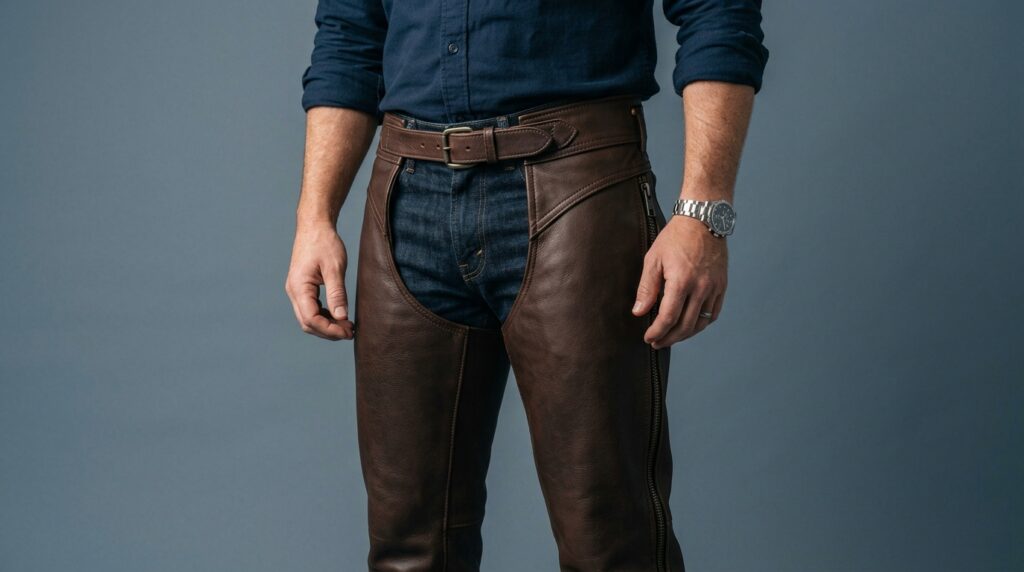
- 1. The Shotgun Chaps (The Sleek Classic): Named for their straight, narrow shape, these fully enclose the leg from thigh to ankle with a full-length zipper. They are prized as premium motorcycle gear because they trap heat and prevent wind flap at high speeds.
- 2. The Batwing Chaps (The Rugged Statement): These only fasten around the upper leg, allowing the leather to flare out dramatically. This design provides incredible freedom of movement for ranchers and magnificent protection against thorns.
- 3. The Chinks (The Warm Weather Alternative): Chinks stop just below the knee. They are the perfect old-school western choice for hot climates, offering protection for the upper legs while allowing maximum airflow to your calves.
Step-by-Step Guide: How to Size Your Chaps Perfectly
Chaps are an over-garment, so guessing your size is a recipe for discomfort. Follow this guide for a custom-like fit:
- Measure Your Thigh Circumference: Wrap a flexible tape around the widest part of your thigh while wearing your standard riding jeans. Leave enough room for two fingers; this ensures blood flow isn’t restricted when you sit.
- Measure Your Outseam: Place the tape at your beltline and run it down the outside of your leg to the top of your boot heel. This ensures coverage when your knees are bent.
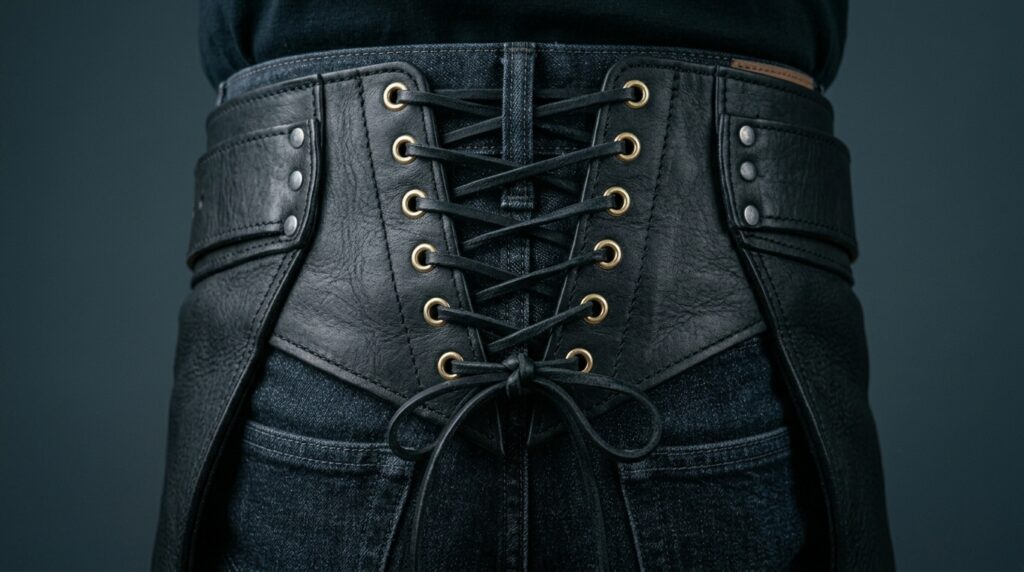
- Measure Your Waist OVER Your Clothes: Never use your standard pants size. Measure your waist directly over your jeans and belt to get an accurate baseline for the adjustable buckles.
Step-by-Step Guide: Restoring and Maintaining Vintage Leather
Dry, neglected leather can become brittle. A few minutes of care can bring a decades-old piece back to life:
- Brush Away the Dust: Use a horsehair brush to sweep the surface, paying attention to seams and fringes.
- Cleanse the Hide: If extremely dirty, use a pH-balanced saddle soap. Wipe away excess soap immediately with a dry microfiber cloth.
- Deep Condition: Apply a coat of premium leather conditioner or pure neatsfoot oil. Massage it in with your hands; you will watch the dry leather instantly darken to a rich, stunning color.
- Protect the Hardware: Use a small brass brush to clean oxidation off snaps and buckles. A tiny drop of oil on zippers ensures they run smoothly for another fifty years.
Make Your Investment With Absolute Confidence
Stepping into a pair of vintage leather chaps is a rejection of disposable fashion. When you strap that heavy leather to your waist, your posture changes. You project an aura of rugged independence and timeless style.
Do not settle for a lifeless modern imitation. By understanding the history and embracing the simple rituals of leather care, you are prepared to find your perfect pair. Explore the world of vintage leather craftsmanship today and ride out with absolute confidence!